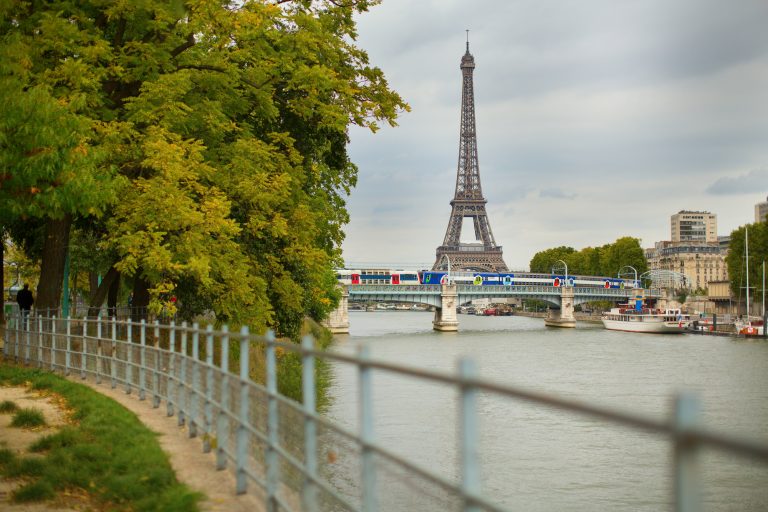
There’s no better way to see Europe than by train. It’s fast when you need it to be, slow when you want it to be, and almost always scenic.
From sleek high-speed lines connecting the continent’s great cities to slower routes that wind through mountains, vineyards, and coastal villages, train travel in Europe is as much about the journey as the destination. Below are 21 of the very best, from once-in-a-lifetime luxury services to everyday regional lines that just happen to pass through some of the most beautiful scenery on earth.
Why Take the Train in Europe?
Beyond the views, the train is simply the most practical way to get around. Europe’s rail network is one of the most extensive in the world: reliable, efficient, and surprisingly easy to navigate once you’ve done it once.
You can book individual tickets for specific routes, or opt for a rail pass if you’re planning to explore widely. The Interrail Pass gives European residents unlimited travel across dozens of countries, while the Eurail Pass offers the same freedom for travellers coming from outside Europe. Both open the door to spontaneous detours and unplanned adventures, which, if you ask me, is exactly what train travel is all about.
A quick word on booking: scenic and luxury services (the Glacier Express, Bernina Express, Orient-Express) almost always need a seat reservation booked in advance, even if you hold a pass. Everyday regional trains usually don’t. I’ll flag which is which as we go.
1. Venice Simplon-Orient-Express
Route: London to Venice Journey Time: Around 24 hours Train Details: Vintage cabins, white-linen dining, and attentive service that recalls the golden age of rail travel Ticket Information: Advance booking required via the Belmond website Stops Along the Way: Paris, Innsbruck
The route from London to Venice passes through Paris, the snow-capped Alps, and quiet mountain villages, revealing some of Europe’s most breathtaking scenery. Inside, stewards in tailored uniforms serve gourmet meals on fine china, while glasses of champagne catch the light from crystal lamps.
When you travel on the Venice Simplon-Orient-Express you step into another era, one where travel was an art form. This isn’t just a train ride; it’s a moving piece of history, lovingly restored with polished brass fixtures, velvet upholstery, and wood-panelled cabins that glow with 1920s glamour.
The famous route makes it one of the most well known rail journeys in the world.
2. The Glacier Express, Switzerland
Route: Zermatt to St. Moritz Journey Time: Around 8 hours Train Details: Panoramic carriages, first-class dining, and large windows designed for uninterrupted mountain views Ticket Information: Reservations required; tickets available through the Glacier Express website. The journey is included with both the Swiss Travel Pass and the Interrail/Eurail Pass (a seat reservation fee applies). Stops Along the Way: Brig, Andermatt, Chur, Davos
Nicknamed the slowest express train in the world, the Glacier Express is less about speed and more about spectacle. Travelling between two of Switzerland’s most glamorous alpine resorts, Zermatt and St. Moritz, this eight-hour journey unfolds like a moving postcard through the heart of the Swiss Alps.
The train crosses 291 bridges and passes through 91 tunnels, revealing snow-capped peaks, deep valleys, and villages that seem to cling to the mountainside. The route winds past the Rhine Gorge, often called the “Grand Canyon of Switzerland,” and climbs the dramatic Oberalp Pass, the highest point on the line at over 2,000 metres.
Inside, everything is designed for comfort and views. Panoramic windows stretch from floor to ceiling, and onboard dining features freshly prepared Swiss dishes served at your seat, which is the perfect excuse to sip a glass of local wine while the Alps glide by.
The Glacier Express runs all year, and each season offers a different kind of beauty: green meadows and waterfalls in summer, golden forests in autumn, and snow-dusted peaks in winter. Whether you ride it end to end or join for a shorter section, it’s one of Europe’s most unforgettable rail journeys.
Traveller Tip: If you’d like to break up the trip, you can get off at stops such as Andermatt or Chur and continue later on a regular regional train that follows the same line. These local services are fully covered by the Swiss Travel Pass and Interrail/Eurail Pass, so you can explore at your own pace without needing another reservation.
3. The Bernina Express, Switzerland to Italy
Route: Chur or St. Moritz (Switzerland) to Tirano (Italy) Journey Time: Around 4 hours Train Details: Panoramic carriages with floor-to-ceiling windows, open-air photo stops, and commentary highlighting key landmarks Ticket Information: Reservations required; tickets available through the Rhaetian Railway website. The journey is included with the Swiss Travel Pass and Interrail/Eurail Pass (a seat reservation fee applies). Stops Along the Way: St. Moritz, Pontresina, Poschiavo
Crossing the Alps from Switzerland into Italy, the Bernina Express is a masterpiece of mountain railway engineering and one of Europe’s most breathtaking train journeys. The entire route is part of the UNESCO World Heritage-listed Rhaetian Railway, celebrated for its stunning combination of natural beauty and human ingenuity.
The train climbs from the crisp alpine landscapes of St. Moritz to the 2,253-metre-high Bernina Pass, before descending through spiralling loops and viaducts into the sun-soaked Italian town of Tirano. Along the way, it glides past glaciers, turquoise lakes, and snow-capped peaks that feel almost within reach.
One of the highlights is the spectacular Landwasser Viaduct, a six-arch stone bridge that curves dramatically out of a cliff face and counts among the most photographed railway scenes in the world. Another is the Brusio Spiral Viaduct, a perfectly engineered loop that allows the train to navigate steep gradients while giving passengers a 360° view of the valley below.
The Bernina Express runs year-round, with scenery that changes just as dramatically as the altitude. Summer brings wildflowers and shimmering lakes, while winter transforms the route into a snowy wonderland.
Traveller Tip: The Bernina Express connects easily with the Glacier Express in St. Moritz or Chur, so you can combine the two for an unforgettable cross-Alpine adventure.
4. The Jungfraujoch Railway, Switzerland
Route: Interlaken to Jungfraujoch (via Lauterbrunnen or Grindelwald, and Kleine Scheidegg) Journey Time: Around 2 hours one way Train Details: A series of connecting cogwheel trains climbing to Europe’s highest railway station at 3,454 metres Ticket Information: Tickets and seat reservations available via the Jungfrau Railways website. The journey is included with the Swiss Travel Pass and the Interrail/Eurail Pass (discounts apply; a supplement may be required). Stops Along the Way: Lauterbrunnen or Grindelwald, Wengen, Kleine Scheidegg, Eigerwand, Eismeer
Known as the Top of Europe, the Jungfraujoch Railway is one of Switzerland’s most iconic and awe-inspiring train journeys. It begins in the lush valleys of Interlaken and climbs steadily through alpine meadows, forests, and picture-perfect mountain villages. Travelling up from Lauterbrunnen to Wengen and on to Kleine Scheidegg, the views are spectacular all the way; every turn reveals a new sweep of snow-capped peaks, tumbling waterfalls, and deep green valleys far below.
From Kleine Scheidegg, the final ascent becomes even more dramatic. The train enters the heart of the mountain, winding through tunnels carved inside the mighty Eiger and Mönch. Passengers can step off briefly at the Eigerwand and Eismeer viewpoints to peer out through windows cut directly into the rock face, where jaw-dropping glacier views stretch out beneath you.
At the summit, the world opens into a panorama of snow and ice that seems to go on forever. From the viewing platforms, you can look out over the Aletsch Glacier, the longest in the Alps and part of a UNESCO World Heritage Site. Explore the Ice Palace, walk across the snow plateau, or simply stand and take in the silence of the high mountains.
Traveller Tips:
- The Jungfraujoch is one of Switzerland’s most popular attractions and gets very busy, especially in summer and school holidays. Travel early in the day or outside peak season if you can.
- It’s an expensive journey, so it’s worth checking the live webcams on the Jungfrau website before booking to make sure the weather is clear. On a cloudy day, visibility at the top can be almost zero.
- For the best experience, travel up one way via Lauterbrunnen and return via Grindelwald (or vice versa) to enjoy two completely different perspectives of the Bernese Alps.
- Temperatures at the summit are cold even in summer, so bring warm layers and sunglasses to handle both snow and sun.
5. The Flåm Railway, Norway
Route: Flåm to Myrdal Journey Time: Around 1 hour Train Details: One of the steepest standard-gauge railway lines in the world, climbing 864 metres from fjord to mountain with a gradient of 1 in 18 Ticket Information: Tickets available online or at the station; reservations recommended in summer Stops Along the Way: None (direct), but it connects with most day trains on the Bergen Railway between Bergen and Oslo
The Flåm Railway is often described as one of the world’s great train journeys, and it’s easy to see why. Departing just metres from the shimmering Aurlandsfjord, the train begins its climb through the steep and narrow Flåm Valley, where rivers carve deep gorges and waterfalls tumble from towering cliffs.
The one-hour journey is a masterclass in engineering and beauty combined. Built between 1923 and 1940, this 20-kilometre line includes 20 hand-dug tunnels and a remarkable horseshoe-shaped spiral tunnel that loops in and out of the mountain. The train rises nearly 900 metres to reach Myrdal, connecting seamlessly with the Bergen–Oslo line. The train pauses at the thundering Kjosfossen waterfall so passengers can step out for photos, which is reason enough to keep your camera handy.
Summer brings waterfalls and wildflowers; winter turns the valley into a snowy wonderland. It’s stunning either way.
Traveller Tip: Before or after your trip, it’s worth visiting the Flåm Railway Museum beside the station. Entry is free, and it offers fascinating insight into the craftsmanship behind one of Norway’s most daring railway projects. With extra time, you can hike or cycle back down the valley, take a fjord cruise on the nearby Nærøyfjord, or ride Scandinavia’s longest zipline.
6. The West Highland Line, Scotland
Route: Glasgow to Mallaig Journey Time: Around 5 hours Train Details: A scenic route through Scotland’s rugged west coast and highlands, including the famous Glenfinnan Viaduct Ticket Information: Tickets available online or at stations; the heritage Jacobite steam service over the same stretch must be booked separately and well in advance Stops Along the Way: Fort William, Glenfinnan, Arisaig, among others
The West Highland Line takes you through some of Scotland’s most beautiful and remote scenery. The journey from Glasgow to Mallaig is filled with views of lochs, moors, mountains, and the famous Glenfinnan Viaduct, which film fans will instantly recognise as the bridge the Hogwarts Express crosses in the Harry Potter films.
The route skirts the edge of Rannoch Moor, one of the last great wildernesses in Britain, before threading down to the fishing port of Mallaig, where ferries head out to the Isle of Skye. It’s a must-do for anyone wanting to experience the mystical beauty of the Scottish Highlands, and one of the UK’s most popular train journeys.
Traveller Tip: Sit on the right-hand side leaving Glasgow for the best loch and coastal views, and try to time your trip for a clear day; the Glenfinnan Viaduct is far more dramatic when you can see the full sweep of the valley.
7. The Arctic Circle Train, Sweden
Route: Stockholm to Swedish Lapland (Narvik via Kiruna) Journey Time: Overnight (around 18 hours to the far north) Train Details: An adventurous route that crosses the Arctic Circle, with sleeper services and the chance to see the Northern Lights in winter Ticket Information: Book online or at Swedish Railways (SJ) stations; sleeper berths sell out early in winter Stops Along the Way: Uppsala, Boden, Kiruna, among others
The Arctic Circle Train is a magical journey to the northernmost reaches of Sweden. From the comfort of your carriage, you watch the landscape change from city to dense forest to the wide-open, snow-covered expanses of Lapland, a region known for its unique wildlife, Sami culture, and, in the winter months, the mesmerising Northern Lights.
Travelling overnight in a sleeper is part of the appeal: you drift off somewhere south and wake up deep in the Arctic. In the right conditions, the aurora dances overhead while you’re still aboard.
Traveller Tip: For the best chance of the Northern Lights, travel between late September and March, and book a north-facing sleeper compartment if you can. Kiruna also makes a brilliant stopover for the famous Icehotel.
8. Cinque Terre, Italy
Route: La Spezia to Levanto, serving all five villages Journey Time: A few minutes between each village; the full stretch takes around 20–30 minutes Train Details: Frequent regional trains hugging the Ligurian coast and linking the five iconic Cinque Terre villages Ticket Information: Tickets at stations or online; the Cinque Terre Card offers unlimited hops between villages plus access to the coastal walking trails Stops Along the Way: Riomaggiore, Manarola, Corniglia, Vernazza, Monterosso
The train journey through Cinque Terre is a colourful ride along Italy’s rugged coast, offering glimpses of the Mediterranean between tunnels and the five famous towns, with their vibrant houses and terraced vineyards. It’s the easiest and most scenic way to explore all five villages in a single day, dipping in and out as often as you like.
Because the villages are built into steep cliffs with very little parking, the train really is the smart way to visit. You can swim in Monterosso in the morning, eat focaccia in Vernazza at lunch, and watch the sunset from Riomaggiore, all without touching a car.
Traveller Tip: Buy the Cinque Terre Card if you plan more than two or three hops, or want to walk the famous Sentiero Azzurro coastal path between villages. Trains can be packed in high summer, so start early.
9. The Rhine Valley Line, Germany
Route: Mainz to Koblenz Journey Time: About 1 hour Train Details: A relaxing regional journey along the Rhine, famous for its castles, vineyards, and riverside towns Ticket Information: Tickets at stations or online; regional day tickets often work out cheapest Stops Along the Way: Bingen, Bacharach, St. Goar, among others
Travelling along the Rhine Valley Line is like stepping into a fairy tale. The route follows the river through the dramatic Rhine Gorge, past medieval castles perched on hillsides, charming wine villages, and the legendary Lorelei rock. It’s an ideal way to experience the romantic heart of Germany, and at just an hour it’s easy to slot into a wider trip.
The stretch between Bingen and Koblenz is the most scenic, with a castle seemingly around every bend. Many travellers ride one way and take a Rhine river cruise back for a different perspective on the same valley.
Traveller Tip: Sit on the right-hand side travelling north from Mainz for the best castle and river views. Bacharach and St. Goar are lovely places to hop off for a wander and a glass of local Riesling.
10. The GoldenPass Line, Switzerland
Route: Lucerne to Montreux Journey Time: Approximately 5 hours (with one easy change) Train Details: Panoramic carriages crossing central Switzerland from the lakes to the Riviera, including the innovative GoldenPass Express Ticket Information: Reservations recommended; included with the Swiss Travel Pass and Interrail/Eurail Pass Stops Along the Way: Interlaken, Zweisimmen, Gstaad
The GoldenPass Line is a feast for the eyes, showcasing Switzerland’s variety in a single trip: from the crystal-clear lakes around Lucerne, through the green pastures of the Bernese Oberland and the glamorous ski resort of Gstaad, down to the palm-lined shores of Lake Geneva at Montreux. It’s a seamless blend of alpine beauty and lakeside elegance.
The newer GoldenPass Express has made the route easier than ever, with a clever variable-gauge system that lets it run through what used to require a change of train. The result is one of the most comfortable scenic journeys in the country.
Traveller Tip: This route pairs beautifully with the Glacier and Bernina Express to form a “Grand Train Tour of Switzerland.” If you’re doing several scenic lines, the Swiss Travel Pass quickly pays for itself.
11. Inverness to Kyle of Lochalsh, Scotland
Route: Inverness to Kyle of Lochalsh Journey Time: Around 2.5 hours Train Details: A dramatic Highland line ending opposite the Isle of Skye Ticket Information: Tickets at stations or online Stops Along the Way: Dingwall, Strathcarron, Plockton
The train from Inverness to Kyle of Lochalsh is a window into Scotland’s soul, with rugged landscapes, serene lochs, and a final stretch along the coast that ranks among the most beautiful in Britain. The route takes you through some of the most remote and lovely parts of the Highlands, ending near the gateway to the Isle of Skye.
The pretty village of Plockton, with its palm trees and sheltered harbour, is a highlight just before the end of the line, proof that the Highlands can surprise you.
Traveller Tip: From Kyle of Lochalsh you can cross the bridge to Skye, making this a brilliant first leg of a wider island adventure. Sit on the left after Garve for the best loch views.
12. Douro Valley Line, Portugal
Route: Porto (São Bento) to Pocinho Journey Time: Approximately 3.5 hours Train Details: A scenic regional route along the Douro River through Portugal’s famous wine country Ticket Information: Tickets at stations or online; remarkably good value Stops Along the Way: Régua, Pinhão, among others
The Douro Valley Line is a picturesque journey through Portugal’s renowned wine region. After leaving the beautiful tiled station of São Bento in Porto, the train eventually meets the river and follows it closely, with stunning views of terraced vineyards, traditional quintas (wine estates), and sleepy villages reflected in the water. It’s a delightful, low-cost way to experience rural Portugal.
The most scenic section runs east of Régua, where the valley narrows and the vineyards climb steeply on both sides. Pinhão, with its azulejo-tiled station, is the natural place to break the journey for a port tasting.
Traveller Tip: Sit on the right-hand side leaving Porto for the best river views. Consider stopping in Pinhão for a vineyard visit or a short river cruise before continuing or heading back.
13. The Bergen Line, Norway
Route: Oslo to Bergen Journey Time: About 7 hours Train Details: Crosses Norway’s mountainous spine, including Finse, the highest station on the line Ticket Information: Tickets online or at stations; book early for the cheapest “minipris” fares Stops Along the Way: Myrdal, Voss, among others
Connecting Norway’s capital with its second-largest city, the Bergen Line is a journey through some of the most awe-inspiring landscapes in Scandinavia. The route climbs from forests and lakes up onto the bleak, beautiful Hardangervidda plateau, crossing snowfields that linger even in summer, before descending through fjord country to the colourful harbour of Bergen.
At Myrdal you can connect directly with the Flåm Railway (number 5 on this list), making it easy to combine two of Norway’s finest journeys into one unforgettable day. This pairing is the backbone of the popular “Norway in a Nutshell” route.
Traveller Tip: Finse, the highest point, is genuinely arctic in feel and was used as a filming location for the ice planet Hoth in The Empire Strikes Back. Book ahead in summer, when this is one of Norway’s busiest scenic lines.
14. Belgrade to Bar, Serbia and Montenegro
Route: Belgrade (Serbia) to Bar (Montenegro) Journey Time: Around 11–12 hours Train Details: A spectacular, little-known Balkan line crossing 254 tunnels and 435 bridges on its way to the Adriatic Ticket Information: Tickets at stations or online; remarkably cheap, with a daytime and an overnight service Stops Along the Way: Podgorica, among others
The journey from Belgrade to Bar is one of Europe’s great underrated rail adventures. It traverses gorges, lakes, and seemingly endless tunnels as it climbs through the mountains of Serbia and Montenegro before dropping toward the Adriatic coast. The engineering is extraordinary: the line includes the Mala Rijeka Viaduct, for years the highest railway bridge in Europe at nearly 200 metres.
This is travel the old-fashioned way, on a working local line rather than a polished tourist service, and that’s exactly its charm. The scenery through the Morača Canyon and around Lake Skadar is breathtaking.
Traveller Tip: Take the daytime service so you don’t miss the scenery, and bring snacks and water, as onboard catering is limited. Sit on the right leaving Belgrade for the best canyon views.
15. Eurostar, London to Paris, Brussels, and Amsterdam
Route: London to Paris, Brussels, or Amsterdam Journey Time: London to Paris in about 2 hours 20 minutes Train Details: High-speed rail connecting the UK with continental Europe through the Channel Tunnel Ticket Information: Book online in advance for the best fares; passport and check-in required Stops Along the Way: Varies by route; may include Lille, Calais, Brussels, and Rotterdam
The Eurostar revolutionised travel between the UK and mainland Europe. It’s a fast, comfortable, city-centre-to-city-centre way to journey between some of the continent’s most iconic capitals, bypassing the hassle of airports entirely. The quick passage through the Channel Tunnel is a remarkable experience in itself, and you step out right in the heart of Paris, Brussels, or Amsterdam ready to explore.
For UK travellers, the Eurostar is the obvious gateway to the rest of this list: hop to Paris or Brussels and you can connect onward to almost anywhere in Europe by rail.
Traveller Tip: Book as far ahead as possible, as fares rise sharply close to departure. Arrive at least 45–60 minutes before your train for security and passport checks.
16. Alfa Pendular, Portugal
Route: Braga and Porto down to Lisbon and the Algarve (Faro) Journey Time: Lisbon to Porto in about 3 hours Train Details: Portugal’s tilting high-speed train, offering smooth, quick travel along the country’s spine Ticket Information: Available at stations or online; advance booking brings the best fares Stops Along the Way: Coimbra, Lisbon, among others
The Alfa Pendular is Portugal’s answer to high-speed rail. Its tilting carriages let it take curves at speed, connecting the north and south of the country comfortably and efficiently. It’s the practical backbone of any Portuguese rail trip, linking the Douro and Porto in the north with Lisbon and, ultimately, the beaches of the Algarve.
While it’s more about getting around than sightseeing, the run along the coast south of Lisbon and the approach into the city are genuinely lovely.
Traveller Tip: Use the Alfa Pendular to link the scenic regional lines on this list. Pair it with the Douro Valley Line for a north-to-south Portuguese rail trip that covers wine country, cities, and coast.
17. Helsinki to Rovaniemi, Finland
Route: Helsinki to Rovaniemi Journey Time: About 8–12 hours depending on service Train Details: Comfortable day and overnight trains, including the famous Santa Claus Express sleeper with cabins and even a car-carrier service Ticket Information: Book online or at Finnish Railways (VR) stations; sleeper cabins are popular in winter Stops Along the Way: Tampere, Oulu, among others
The train from Helsinki to Rovaniemi is a gateway to the Arctic. It’s a relaxed, comfortable way to cross Finland’s vast forests and lakes, ending in the official hometown of Santa Claus on the edge of the Arctic Circle. In winter the journey is especially magical, with snow-laden trees gliding past the window and a real chance of the Northern Lights once you arrive.
The overnight Santa Claus Express is an experience in itself: tuck into a cosy two-berth cabin in Helsinki and wake up in Lapland, refreshed and ready for husky sledding, reindeer, and snow.
Traveller Tip: Book a sleeper cabin rather than a seat for the overnight service; the upgrade is modest and the comfort difference is huge. December books out far in advance thanks to the Santa connection.
18. TGV, France
Route: Paris to Lyon, Marseille, Bordeaux, and beyond Journey Time: Paris to Lyon in about 2 hours; Paris to Marseille in around 3 hours 15 minutes Train Details: France’s flagship high-speed network, with double-decker TGV Duplex trains reaching speeds up to 320 km/h Ticket Information: Book in advance through SNCF Connect for the cheapest fares Stops Along the Way: Major French cities including Lyon, Avignon, Bordeaux, among others
The TGV is an icon of French rail travel, slicing through the countryside at remarkable speed to connect Paris with cities right across the country. On the double-decker TGV Duplex, the upper deck gives you sweeping panoramic views of France’s diverse landscapes, from rolling vineyards to sun-drenched Provence and the Mediterranean coast.
What makes the TGV special isn’t just the speed, it’s how much of France it puts within easy reach of a Paris base. Lunch in the capital and dinner on the Riviera is entirely doable.
Traveller Tip: TGV fares work like airline tickets, so book early for big savings. Reserve an upper-deck seat on the Duplex for the best views, and consider a southbound route through the Rhône Valley for the prettiest scenery.
19. The Rauma Line, Norway
Route: Åndalsnes to Dombås Journey Time: About 1.5 hours Train Details: A short but jaw-dropping scenic line through Norway’s Romsdalen valley, past the Trollveggen rock wall and the Kylling Bridge Ticket Information: Tickets at stations or online; in summer a tourist service runs with onboard commentary Stops Along the Way: Bjorli, among others
The Rauma Line is a lesser-known but incredibly scenic train journey in Norway, often ranked among the most beautiful in Europe despite its short length. It travels through the dramatic Romsdalen valley, following the emerald Rauma River beneath the towering Trollveggen (the Troll Wall), Europe’s tallest vertical rock face, beloved of climbers and BASE jumpers.
A real highlight is the Kylling Bridge, a graceful stone arch over the river where the summer tourist train pauses for photos. For such a short journey, it packs in an astonishing amount of drama.
Traveller Tip: Travel in summer to catch the tourist service, which slows at the best viewpoints. Combine it with the Bergen or Dovre lines to build a longer Norwegian rail adventure.
20. Warsaw to Kraków, Poland
Route: Warsaw to Kraków Journey Time: About 2.5 hours Train Details: Fast, modern EIP express trains connecting two of Poland’s most important cities Ticket Information: Tickets at stations or online; advance fares are excellent value Stops Along the Way: Limited stops on the express service
The journey between Warsaw and Kraków is a comfortable and efficient way to travel between Poland’s capital and its cultural heart. The sleek, modern express trains make light work of the distance, leaving you free to swap the museums and modern energy of Warsaw for the medieval squares, castle, and atmospheric old town of Kraków in well under three hours.
Poland is one of the best-value rail destinations in Europe, and this route is the perfect introduction: fast, cheap, and a gateway to onward trips to Zakopane or the historic sites nearby.
Traveller Tip: Book an EIP (Express InterCity Premium) train for the fastest, most comfortable trip, and reserve ahead online to lock in the lowest fare. Kraków makes a brilliant base for a few days once you arrive.
21. Trans-Siberian Railway (European Russia and beyond)
Route: Moscow to Vladivostok Journey Time: About 7 days end to end Train Details: The longest railway line in the world, crossing eight time zones and a whole continent of changing landscapes Ticket Information: Booked through specialist agencies; note that travel advice for Russia changes frequently, so check current government guidance before planning Stops Along the Way: Kazan, Yekaterinburg, Irkutsk (for Lake Baikal), among many others
No round-up of epic rail journeys feels complete without the Trans-Siberian Railway. More than just a train journey, it’s a once-in-a-lifetime expedition across the largest country on earth, beginning in Moscow and crossing the Ural Mountains (the traditional boundary between Europe and Asia) before continuing through Siberia to the Pacific.
Highlights along the way include the historic city of Kazan, the gateway-to-Siberia feel of Yekaterinburg, and the almost otherworldly Lake Baikal, the deepest freshwater lake in the world. It’s the ultimate slow-travel adventure, where days blur together and the carriage becomes a little community of its own.
Traveller Tip: Many travellers break the journey into stages rather than riding straight through, and some opt for the Trans-Mongolian branch toward Beijing. Importantly, check the latest official travel advice for the region before booking, as the situation can change.
Which European Train Journey Should You Choose?
If you only have time for one, the Glacier Express or Bernina Express give you the most spectacular scenery per hour, and they’re easy to combine. For a true bucket-list splurge, nothing beats the Venice Simplon-Orient-Express. If you’re chasing the Northern Lights, look to the Arctic Circle Train or Helsinki to Rovaniemi. And if you’re starting from the UK, the Eurostar is your gateway to all of it.
Whichever you choose, the beauty of European rail is that you don’t have to pick just one. With an Interrail or Eurail Pass and a little planning, you can string several of these together into the trip of a lifetime.
Planning a UK rail adventure too? Don’t miss my guides to the best train journeys in the UK and day trips from London by train.